Sarcoma and Bone Cancer Awareness
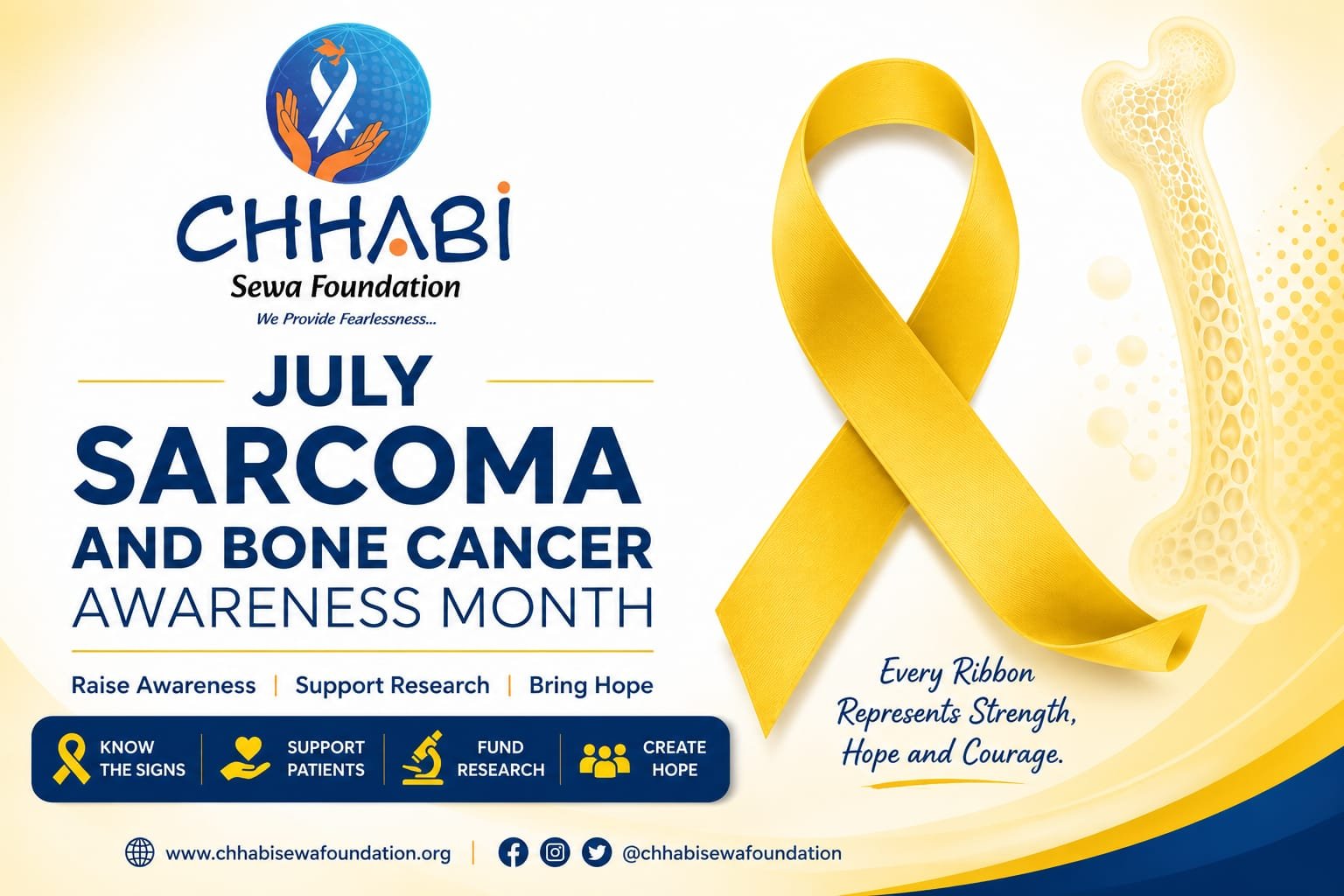
Sarcoma is a rare type of cancer that develops in the body’s connective tissues. It can arise in bones (bone sarcoma) or in soft tissues (soft tissue sarcoma) such as muscles, fat, blood vessels, nerves, tendons, and connective tissue. Bone Sarcoma starts in the bones and can affect people of all ages, especially children, adolescents, and young adults. Soft Tissue Sarcoma develops in muscles, fat, tendons, ligaments, nerves, blood vessels, or other soft tissues. It is more common in adults but can occur at any age. Sarcomas are rare, accounting for less than 1% of all adult cancers, but early diagnosis greatly improves treatment outcomes. Symptoms may include a painless lump or swelling that grows over time, persistent bone pain or pain in the affected area, difficulty moving a limb or joint, unexplained fractures (in bone sarcoma), or abdominal pain or fullness if the tumor develops inside the abdomen.
Sarcoma (Bone & Soft Tissue Cancer) – Treatment
Treatment depends on the type, size, location, and stage of the sarcoma, as well as the patient’s overall health.
Surgery: The primary treatment for most sarcomas, aiming to remove the tumor completely while preserving as much normal function as possible.
Radiation Therapy: Uses high-energy rays to destroy cancer cells. It may be given before or after surgery to reduce the risk of recurrence.
Chemotherapy: Anti-cancer medicines that may be used before surgery (to shrink the tumor), after surgery (to reduce recurrence), or for advanced disease.
Targeted Therapy: Uses medicines that specifically target certain cancer cell abnormalities in some types of sarcoma.
Immunotherapy: Helps the body’s immune system recognize and attack cancer cells. It is effective for selected sarcoma subtypes.
Rehabilitation & Supportive Care: Physical therapy, pain management, nutritional support, and psychological care help patients recover and maintain quality of life.
With advances in treatment, many people with sarcoma can be successfully treated, especially when the disease is diagnosed early. Prompt medical evaluation and care at a specialized cancer center can improve outcomes.